Hiking from Spring into Winter
The warm sunshine awakens a longing for the vastness of the mountains. Early hikes lead us upward, toward the peaks. The alpine pastures lie quiet and peaceful – cows, sheep, and horses are still in the valleys. High above, the last remnants of winter snow sparkle, and icy winds still whip around the summits.
Anyone planning to hike the stunning viewpoint mountains of SalzburgerLand at this time should take a few things into account, as Barbara Hinterseer, certified hiking guide from Maria Alm, explains: “When choosing your gear, remember that even if the temperatures in the valleys are warm enough for a t-shirt, higher elevations can still have winter conditions. Waterproof boots with a good tread are essential, and long pants are recommended. Anyone who has walked through a crusty snowfield with bare calves and ended up with cuts from sharp ice edges knows why. A warm jacket, extra clothing, gloves, and a hat should accompany your food, tea, and first aid kit in your backpack. And of course, don’t forget sunglasses and sunscreen.”
-
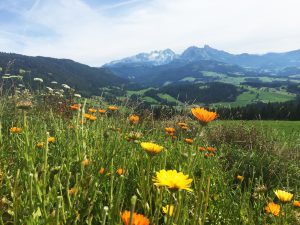
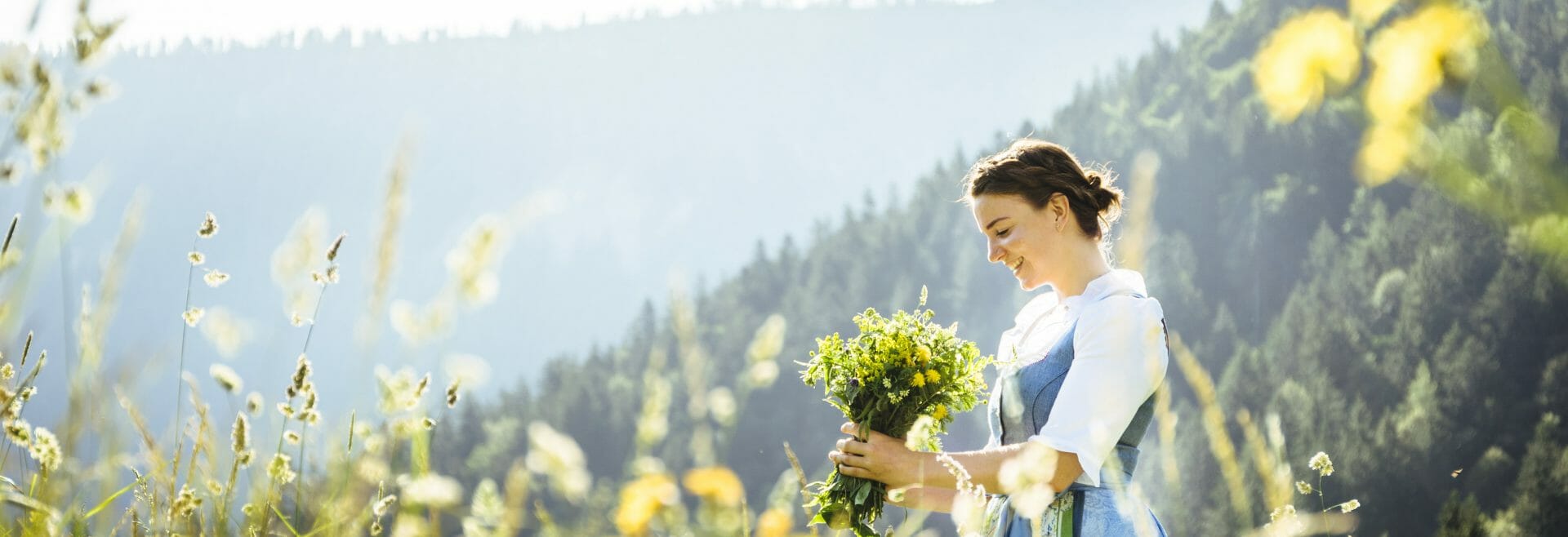
Wildflowers in Spring
-
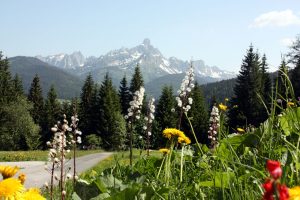
Bischofsmütze
-
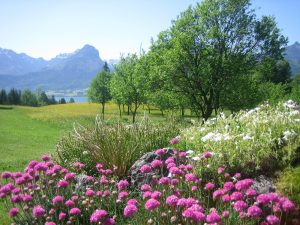
Hellbrunn_Fruhling
After clear, cold nights, the last snow fields are often hard frozen, so crossing them requires extra caution. Crampons, chains with spikes that attach easily to your boots and provide excellent grip on ice, as well as hiking poles, are essential gear for safe mountain hikes at this time of year. Wherever possible, however, snow fields and icy streams should be avoided altogether.
Freshly melted snow makes mountain slopes wet and slippery, and these damp layers of soil can still be icy in the morning. When planning your route, keep in mind that north facing trails through steep gullies may still be covered in old snow well into early summer. As the day warms up after midday, it is also important to be aware of the risk of avalanches from higher elevations.
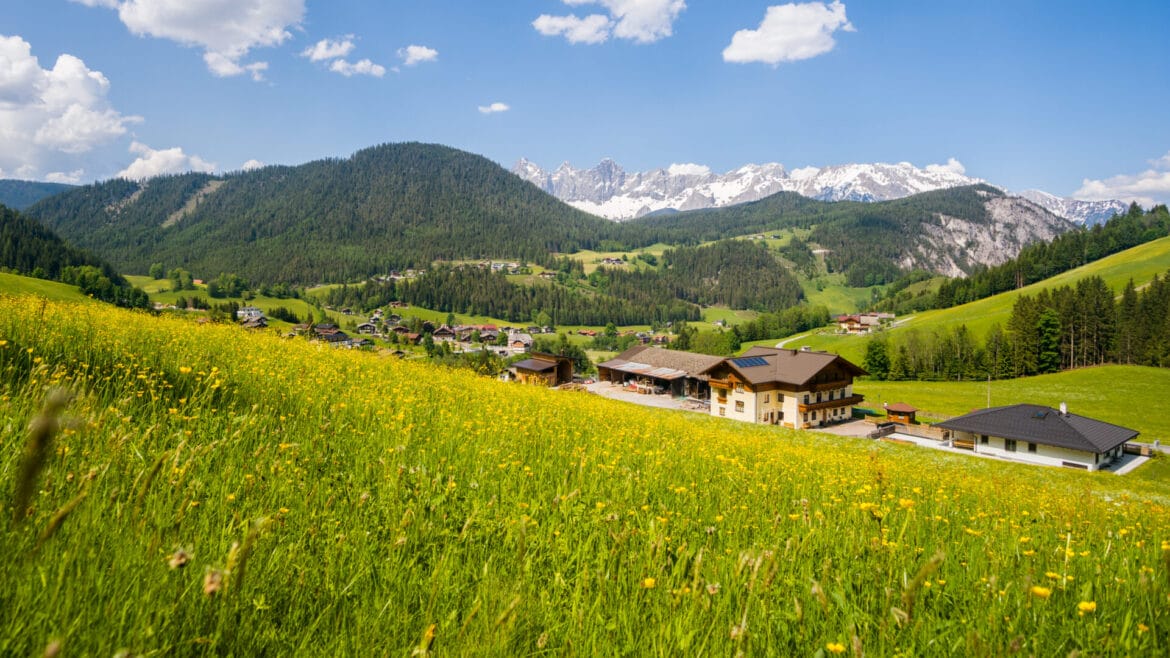
View of Forstau with flower meadow (c) TVB Forstau
The Living Room of Wildlife
Even though the mountains are often empty in spring and no grazing livestock can be found on the alpine pastures yet, the forests and alpine habitats are particularly sensitive at this time of year. Professional hunter Christoph Burgstaller from Uttendorf, hunting course instructor and spokesperson for the initiative “Respect Your Limits,” explains:
Nature provides space for everyone and for all recreational activities. But the current strong desire to be in the mountains calls for a little restraint and respect. When we go on our beautiful mountain hikes, we are entering the living space of wild animals, and we must always keep that in mind and respect it. Our local forest inhabitants need areas to retreat to, just as we enjoy peace and quiet in our own living rooms at home.
In spring, many animals are in the middle of mating season. From late winter into spring, capercaillie and black grouse search for their mating grounds and are extremely sensitive to disturbance there. Deer and red deer have young starting in May, and fox cubs leave their dens at this time. These nurseries must not be disturbed. That is why in spring it is especially important: keep dogs on a leash, stay on the trails, and enjoy the silence!”
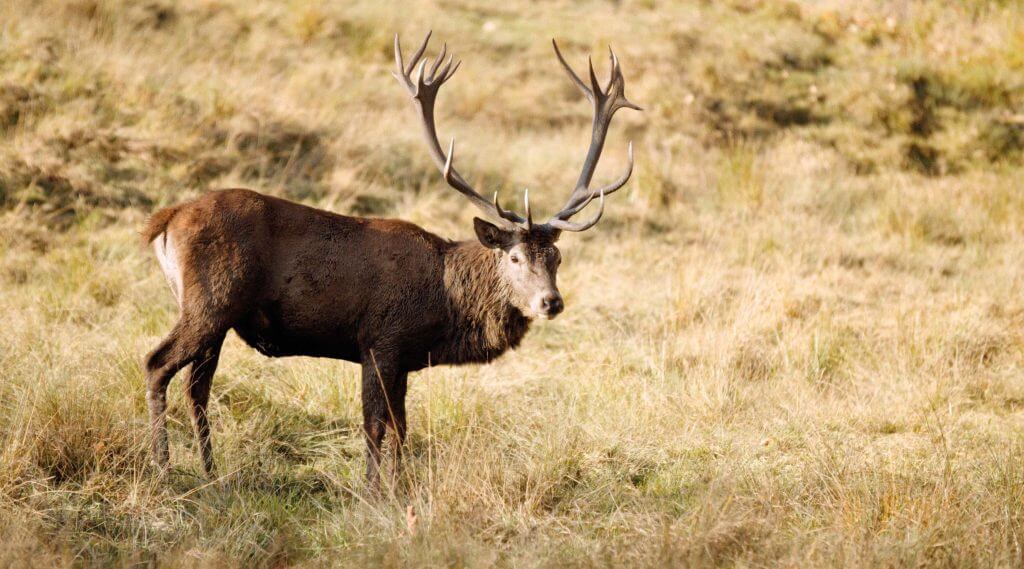
Deer
Hiking Tips for Spring Adventures
In the sunny valleys of SalzburgerLand, the scent of spring fills the air, and summer vibes are already starting to appear—but hikers may still find themselves briefly returning to winter conditions on their trails. All the more wonderful is the feeling of coming back to the warmth of the valley after this short visit to snow and ice, and perhaps even ending the day in perfect silence by one of SalzburgerLand’s beautiful lakes.
To the Müllerfuchs in Leogang
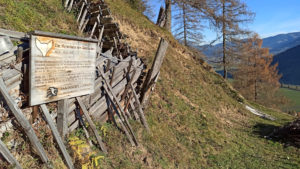
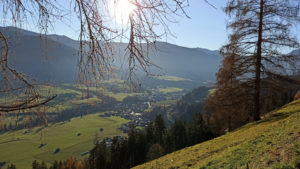
A perfect first hike to get a few active meters after winter is the charming short walk to the Müllerfuchs. Perched at 1,000 meters above Leogang, this wooden fox tells an old, eerie legend. In 2009, Ulrich Stöckl brought the story to life as an art installation in the form of a Pinzgau-style fence, and the Müllerfuchs has since become a popular hiking destination.According to legend, a sinful miller was reborn as a fox after his death, spreading fear with his haunting cries. Only after his widow made a pilgrimage to Maria Kirchental in St. Martin bei Lofer did the Müllerfuchs find peace. Today, hikers can approach it without fear and enjoy the wonderful view over the center of Leogang. Fascinatingly, after dark the Müllerfuchs lights up and is visible across the village throughout the night.The roughly 90-minute hike starts from the Steinbergstadion. Follow the forest path after the Sinning railway underpass, marked by yellow signs. The route can be extended, for example, to the idyllic Lettlkaser Hut at 1,440 meters.
Start: Steinbergstadion, Leogang
Duration: approx. 90 minutes
Distance: 4.5 km – 226 meters elevation gain
-
muellerfuchs (c) christoph dum
-
muellerfuchs (c) christoph dum
-
muellerfuchs (c) christoph dum
Bird Trail in St. Michael im Lungau
This lovingly designed nature trail begins with a charming entrance gate that feels like stepping into a special world. Information boards provide insights into the local birdlife, while children can explore and learn in a playful way at interactive stations along the route. Even the benches are creatively designed to match the theme.
Local Lungau artist and forest educator Reinhard Simbürger not only crafted the benches but also carved and painted life size wooden birds that bring the trail to life. A highlight of the circular route is a birdwatching platform set above the valley, offering panoramic views over the village of St. Michael and the entire Upper Mur Valley. And of course, the walk is accompanied by the cheerful sound of birdsong.
Start: Village center of St. Michael
Duration: approx. 40 minutes
Distance: 1.7 km – 170 meters elevation gain
Around Jägersee
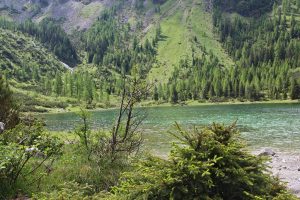
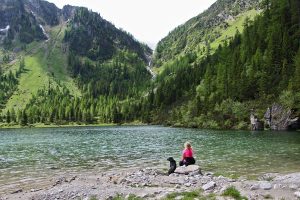
Surrounded by towering mountains reflected in its crystal-clear waters, Jägersee is a true gem. Here, you can watch nature slowly come to life. While spring has arrived in the valleys, snow still glistens down from the peaks. Majestic swans glide across the lake, and beneath the surface, plenty of trout can be seen. A flat gravel path circles the lake, mostly through forest, with reeds along the shore providing nesting spots for local water birds. The trail is also easy for children. Early in the year, it’s worth noting this destination for summer too, as rowboats are available at the nearby Jägerwirt inn, perfect for leisurely paddling on the lake.Those wanting a longer hike can continue from the end of Jägersee up to the idyllic Tappenkarsee, the largest mountain lake in the Eastern Alps.
Start: Parking lot directly at the lake
Duration: approx. 1 hour
Distance: 2 km
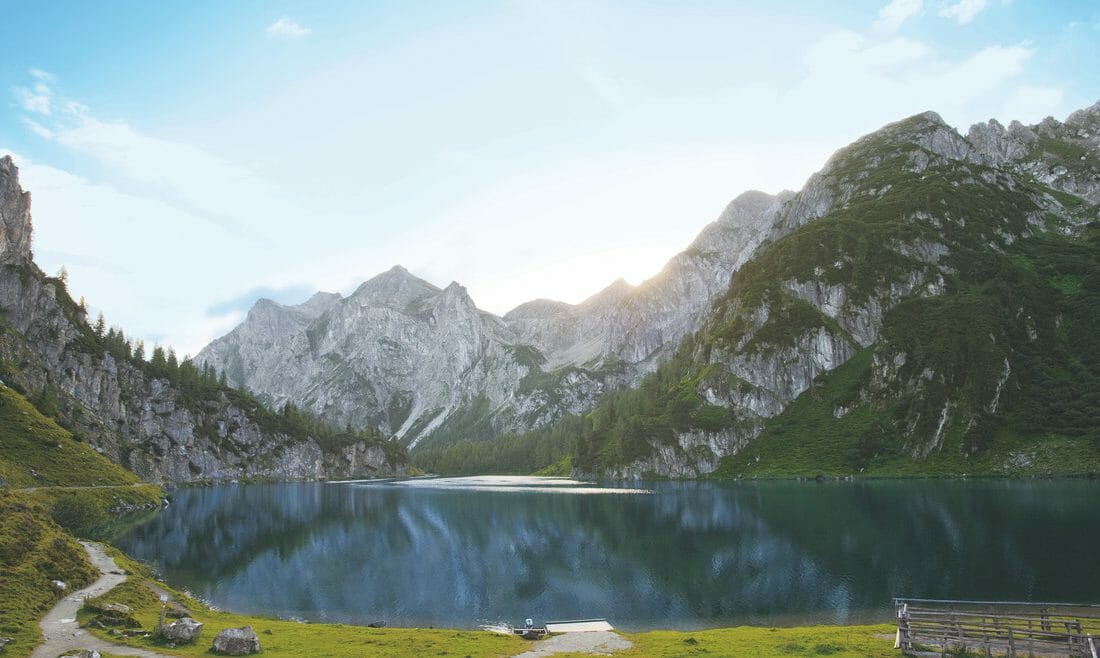
© SalzburgerLand Tourismus Ideenwerk werbeagentur Gmbh – mountain lake
Blühnbach Valley in Werfen
Anyone heading into Blühnbach Valley is walking in the footsteps of history. This was the favorite hunting ground of Archduke Franz Ferdinand, who even shot a rare white chamois here on August 27, 1913.
Blühnbach Valley stretches for around 10 kilometers in Tenneck, the northern district of Werfen. A road leads from here to Blühnbach Castle, built between 1603 and 1607 by Archbishop Wolf Dietrich von Raitenau. The hike begins at the former ironworks in Tenneck. Passing beautiful farmhouses, hunting lodges, and forestry buildings, the route follows the crystal clear Blühnbach stream along the lower Blühnbach road all the way to the head of the valley. There, the magnificent hunting castle, now privately owned, rises impressively against the mountain backdrop.
Start: Tenneck, parking lot at Gasthof Zum Eisenwerk
Duration: approx. 3.5 hours
Distance: 12 km – 300 meters elevation gain
To Schödersee in Großarl
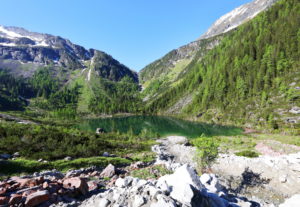
The Großarltal, also known as the Valley of Alpine Pastures, offers not only a wealth of pastures but also some stunning mountain lakes. Truly unique is Schödersee, which only forms during the snowmelt or after heavy rain, making it a special spring hiking destination. Even children will find the adventurous trail engaging.
Hikers should have a basic level of fitness and sure-footedness, and wear sturdy, well-fitting hiking boots. The initially flat trail passes through beautiful marsh meadows and floodplains. At first, the roaring Schöderbach accompanies you, then suddenly it grows quiet as the water continues its underground course. The path flattens further, and there it is – the impressive Schödersee.
Start: Talwirt in Hüttschlag
Duration: approx. 4 hours
Distance: 11.8 km – 478 meters elevation gain
-
Schödersee (c) Großarl
-
Schödersee (c) Großarl
-
Schödersee (c) Großarl
Larch Forest Trail to Edelweiss Alm in Wagrain
This hike from Wagrain to Edelweiss Alm and back is ideal for families. The route begins along the Weberlandl farm road. Following the signs, a forest path leads uphill to the Weberlandl holiday village and continues on to Edelweiss Alm. From there, you can add a short loop around Lake Daarmoos. In summer, hikers are treated to a traditional alpine snack at the hut.
Tip: On the way back, stop by the Hühnerhof Wagrain farm to pick up fresh organic eggs.
Start: Municipal parking lot in the center of Wagrain
Duration: approx. 2 hours
Distance: 6.5 km – 406 meters elevation gain
Fuschlsee Circular Trail
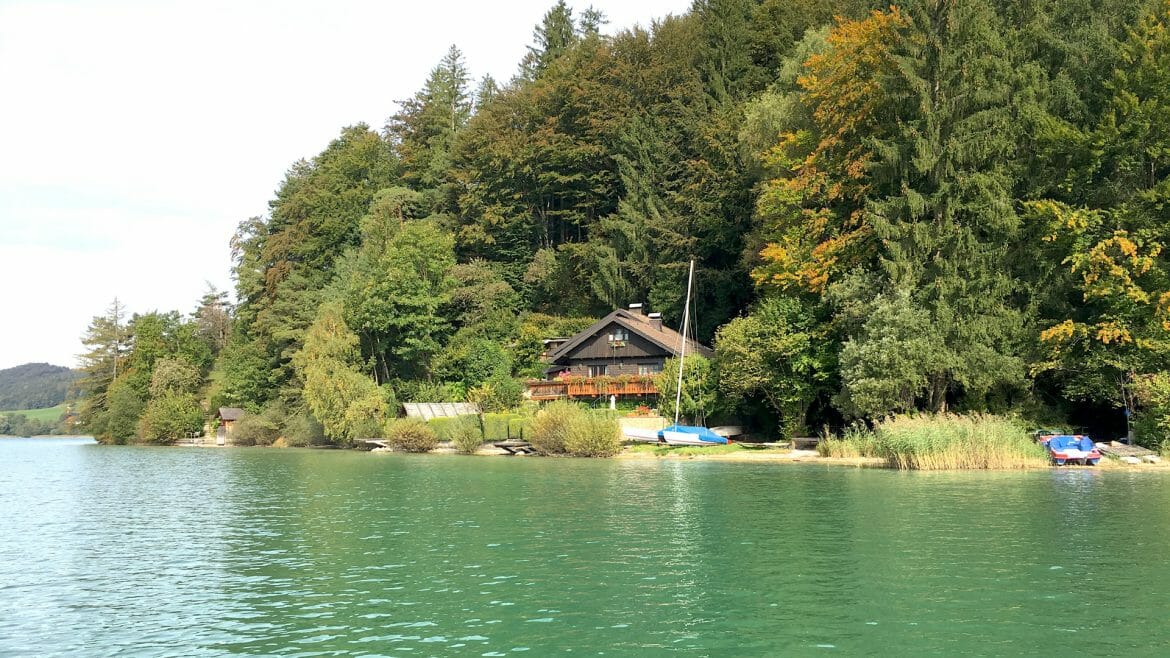
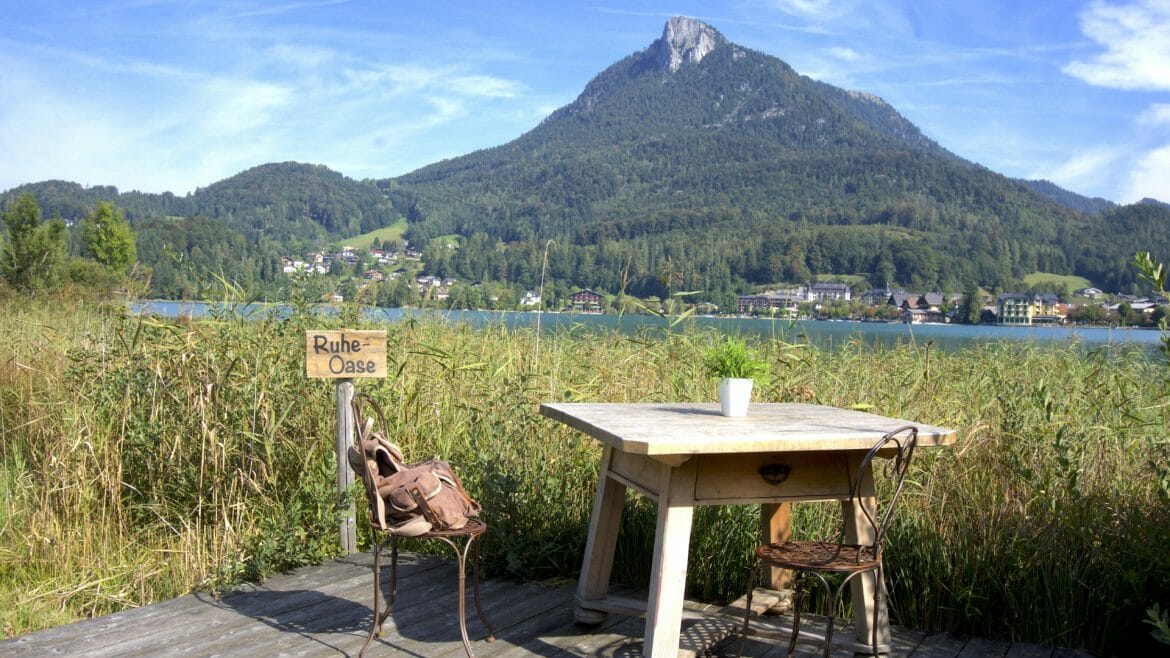
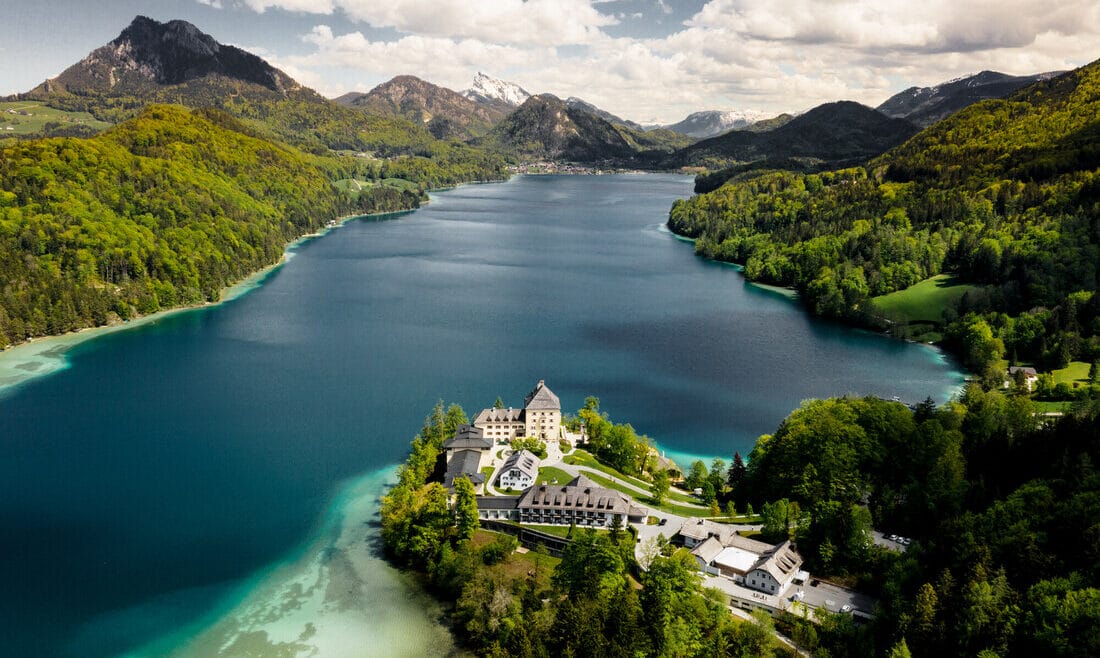
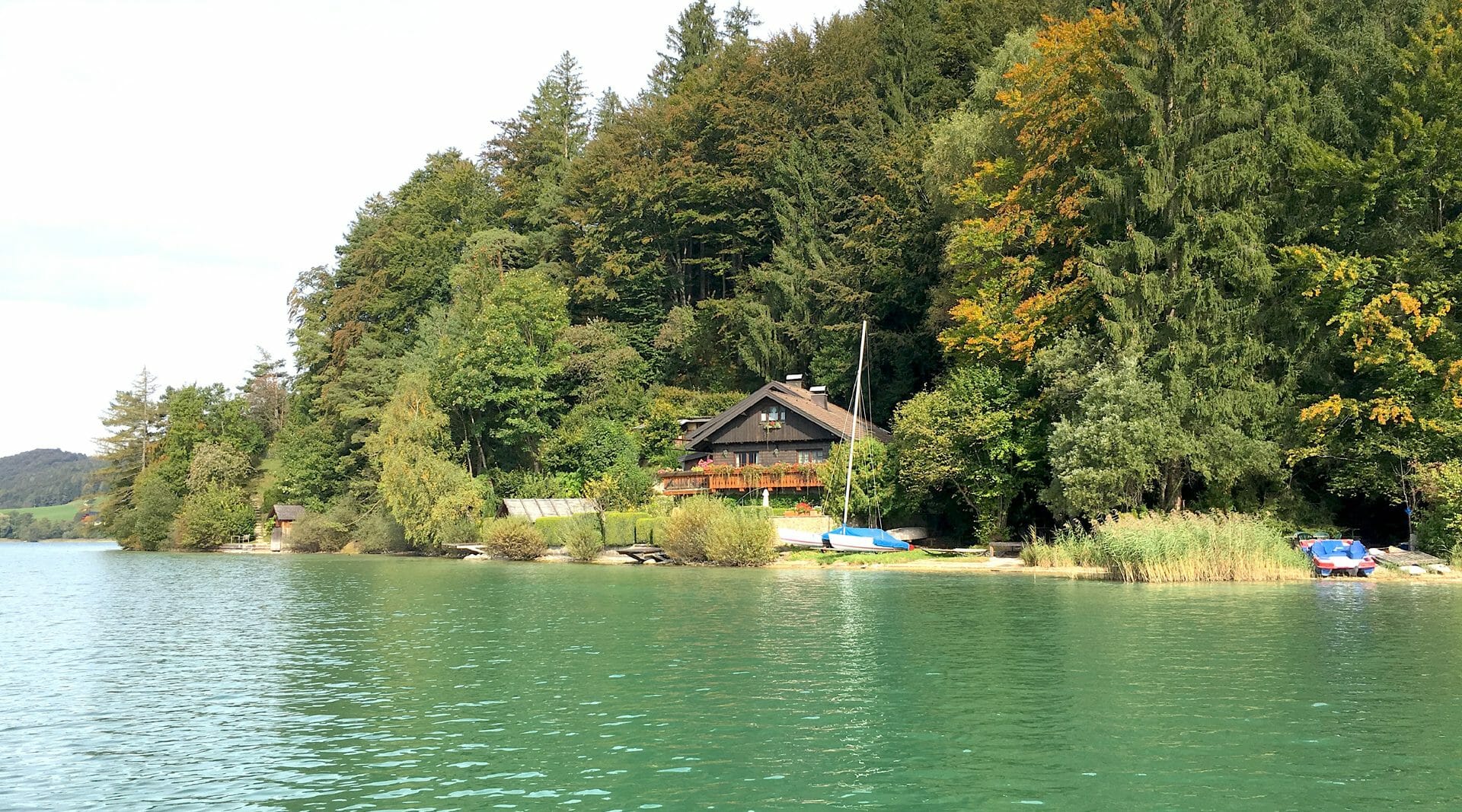
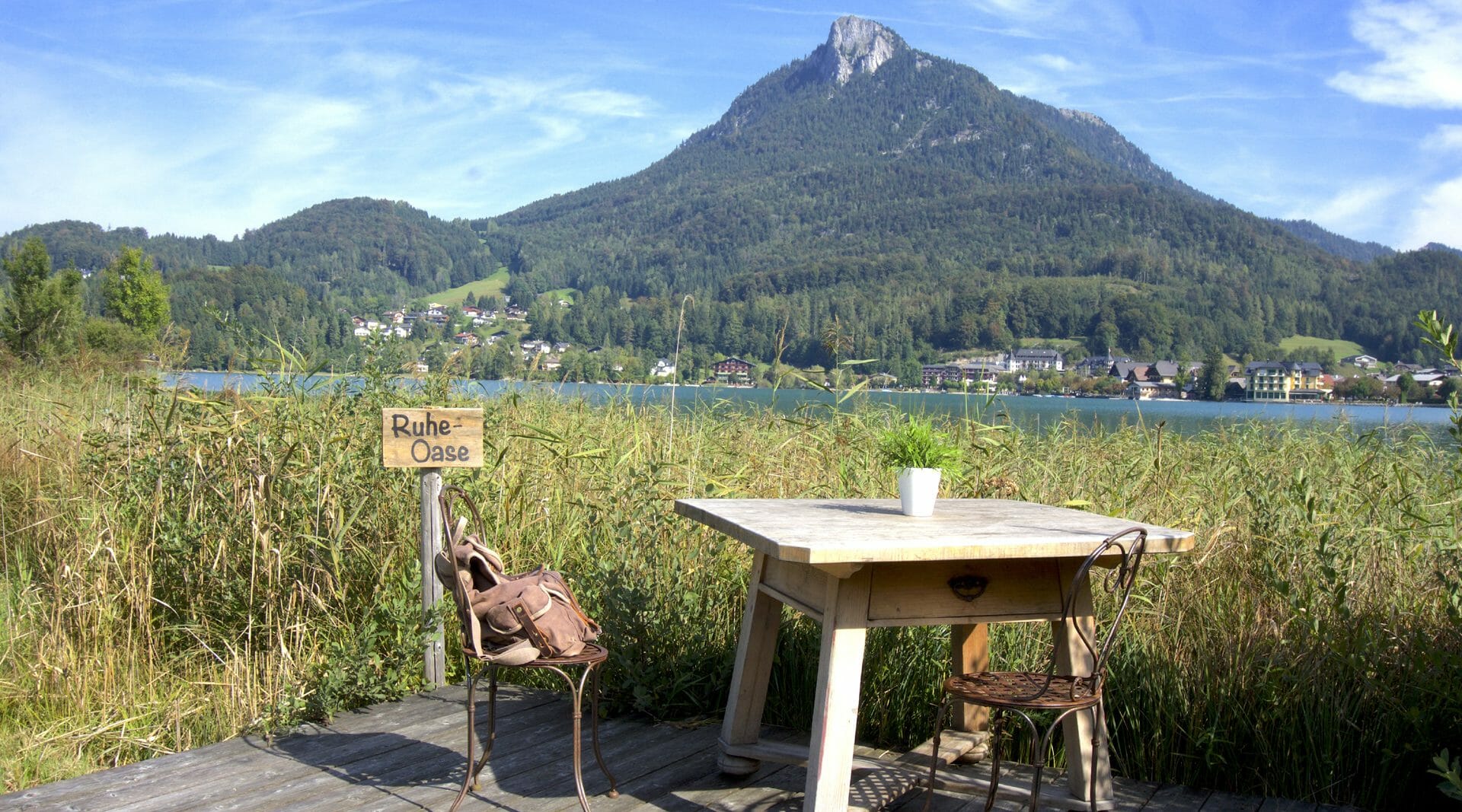
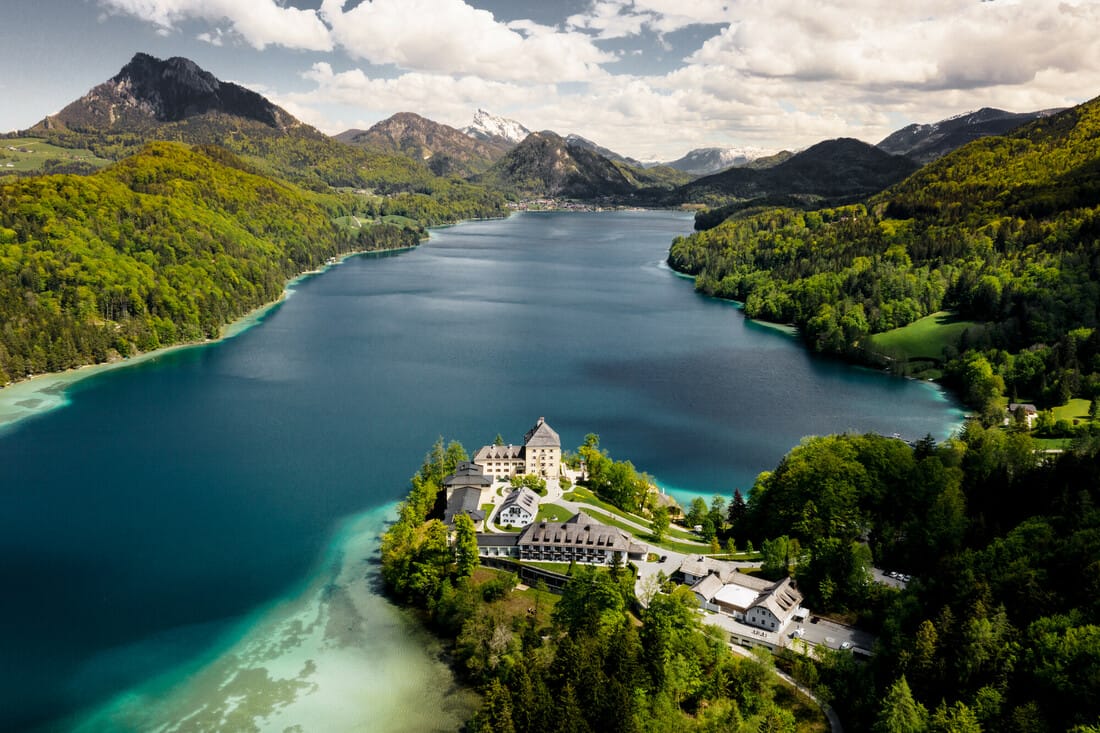
The heart of the Fuschlsee region is, of course, Lake Fuschl itself. A hike around this crystal clear lake is especially rewarding in spring, when nature begins to bloom and the water shimmers in countless shades of green and blue in the sunlight. The well maintained path leads along the shoreline, through small wooded sections and open lakeside stretches, offering ever changing perspectives of the surrounding mountains. With its gentle terrain, the nearly 11 kilometer route is enjoyable and varied, and the distance seems to pass quickly as you soak in the peaceful atmosphere.
Start and Finish: Village center of Fuschl am See, where parking is available
Duration: approx. 3 hours, depending on fitness level
Distance: 10.8 km
-
© SalzburgerLand Tourismus – Peter Zeitlhofer – Wonderful summer houses along the route
-
Fuschlsee
-
Fuschlsee