
Kickoff – Yoga Meets Mozart
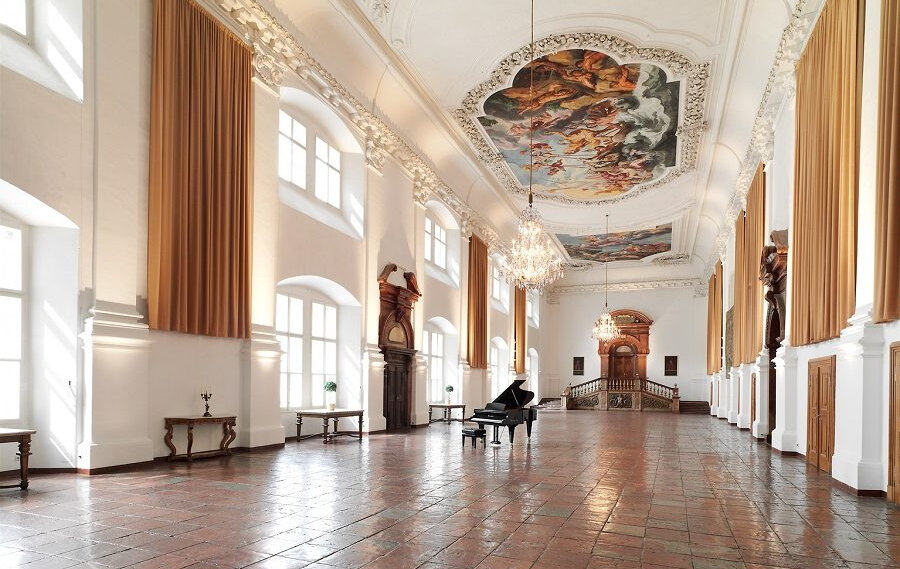
At the DomQuartier Salzburg, live music and movement come together. Musicians from the University Mozarteum Salzburg accompany a special yoga series, thoughtfully aligned with Mozart’s compositions. A format that unites body and mind and reimagines how culture can be experienced.
-
(c) PopUpYoga

-
Carabinierisaal Residenz Domquartier (c) Domquatier
-
(c) PopUpYoga

Mozart & Pop Culture
Today, we see how artists around the world — across genres — continue to draw inspiration from Mozart. One example is the internationally acclaimed artist Rosalía, whose latest single features operetta-like elements and references Mozart’s works. Building on this trend, we launched a social media initiative: a choir interprets Rosalía’s song, demonstrating how Mozart’s influence continues to resonate in today’s pop music. At the same time, we engage younger audiences and underline that Mozart remains contemporary, creative, and vibrantly alive. The video is available on our instagramm channel – feel free to share it.
Storytelling – Mozart in the 21st Century
In our digital series, Mozart comes to life in the 21st century and rediscovers his birthplace. Between wonder, overwhelm, and recognition, it becomes clear: Salzburg has changed — but his spirit remains. With a wink in true Mozart style, we present knowledge in an entertaining way and create a format that captivates all ages: exciting, educational, and infused with the composer’s unmistakable humor. The series will be available from summer here and across social media.
His Work
Mozart composed over 600 works, spanning a remarkable range of musical forms and styles:
-
Operas, including masterpieces like The Magic Flute, Don Giovanni, and The Marriage of Figaro, which showcase his gift for drama, character development, and memorable melodies.
-
Symphonies, concertos, and chamber music, demonstrating his mastery of orchestration, harmonic innovation, and the ability to balance technical brilliance with lyrical beauty.
-
Sacred works, such as the famous Requiem, blending profound emotional depth with spiritual intensity.
Mozart’s music is renowned for its unique combination of technical perfection and expressive richness. It is at once highly sophisticated and deeply human, allowing listeners to experience both structural brilliance and emotional resonance. His compositions continue to captivate audiences centuries later, offering new insights with every performance.
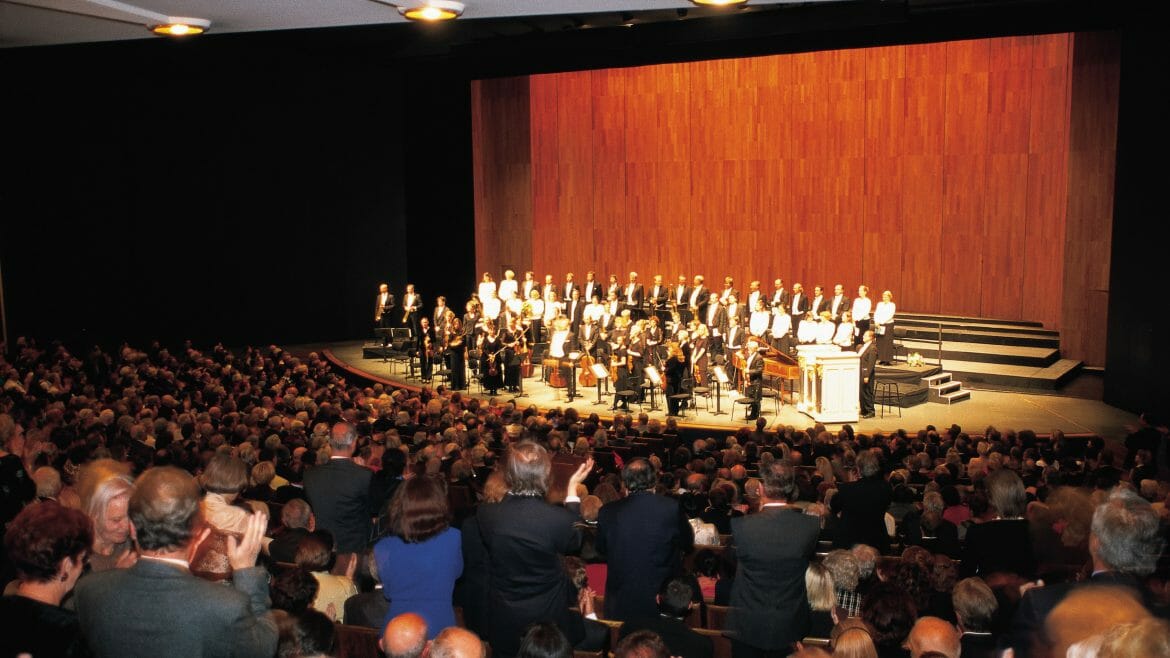
© Tourismus Salzburg GmbH – Orchestra in Großen Festspielhaus
Mozart as a Citizen of the World
Even as a child, Mozart traveled extensively across Europe, performing in courts, palaces, and major cities. These journeys exposed him to a wide variety of musical traditions and styles—from the intricate counterpoint of Italy to the sophisticated court music of France—which deeply influenced his later compositions. His early experiences as a prodigy not only honed his technical skills but also shaped his ability to blend diverse influences into a uniquely personal musical voice. As an adult, Mozart settled mainly in Vienna, where he produced many of his most important works, including operas, symphonies, and chamber music. Despite his professional success, his life in Vienna was often financially precarious. Mozart was known for his independent spirit and rebellious nature: he resisted rigid court hierarchies, frequently challenged conventions, and sometimes clashed with patrons and authorities. On a personal level, Mozart led a complex private life. He was devoted to his family—particularly his wife, Constanze Weber, and their children—yet he also had a playful, mischievous side reflected in his letters, humor, and even some compositions. He loved social gatherings, enjoyed wit and satire, and often injected this lively, irreverent energy into his music. Mozart’s combination of worldly experience, creative genius, and individualism made him not only a citizen of the world musically but also a figure who defied social conventions, embracing freedom, innovation, and self-expression in both life and art.
Who knows what Mozart could have achieved had he not passed away so young? His greatest public success was The Magic Flute. Only a few weeks later, aged 35, he became bedridden and wasn’t able to finish probably his most important and impressive composition – the Requiem. His student Franz Süßmayr is said to have finished it or him. There has been a lot of speculation regarding Mozart’s death – claims of poison to syphilis through to a genetic illnesses, even the miliary fever recorded in the death certificate has been disputed.